Solar Panel Adoption in Australia — Suburb-Level Data and What It Shows
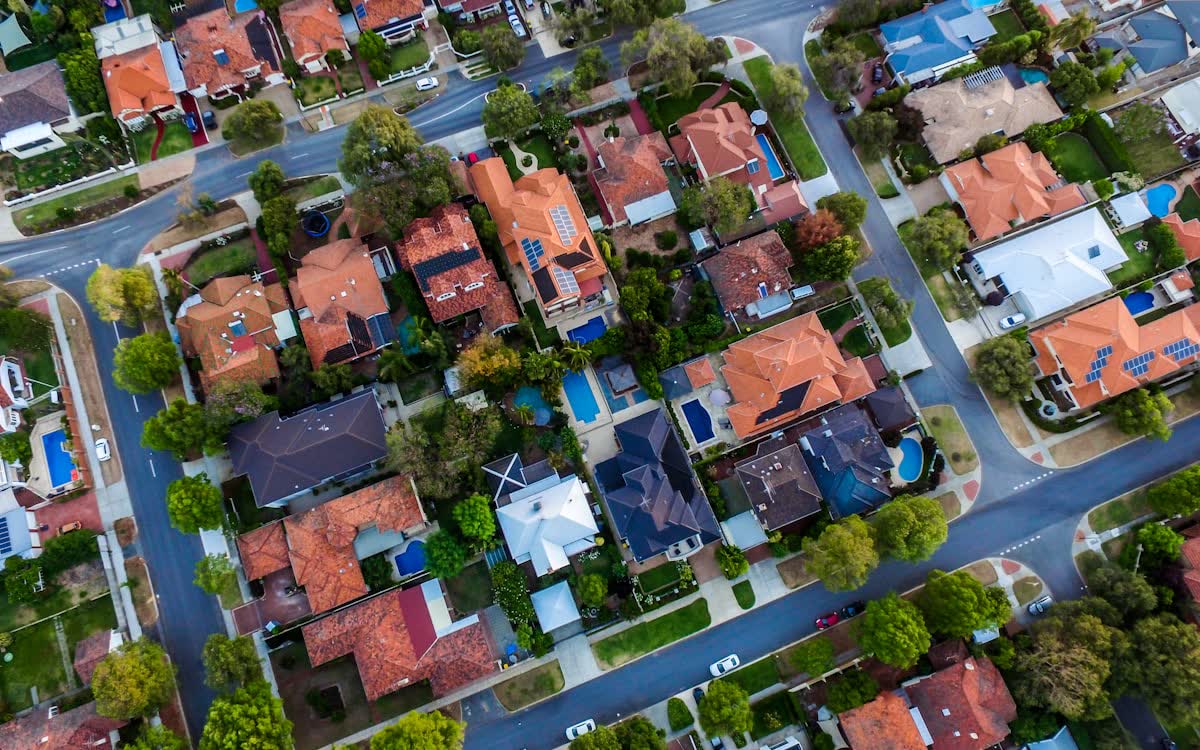
Australia has one of the highest rates of rooftop solar adoption in the world. More than 3.6 million small-scale solar systems have been installed across the country — but adoption varies enormously by location. Some postcodes have installations on nearly every rooftop, while others lag well behind.
Understanding where solar is concentrated, and why, is useful for energy planners, local councils, installers, researchers, and anyone interested in Australia's energy transition.
This guide explains what solar data is publicly available, what patterns it reveals, and how to explore it at the suburb level.
Where does Australian solar data come from?
The Clean Energy Regulator (CER) maintains the most comprehensive dataset on small-scale solar installations in Australia. Every rooftop solar system that claims Small-scale Technology Certificates (STCs) is recorded, including:
- Postcode of the installation
- System capacity in kilowatts (kW)
- Installation date
- Panel and inverter details
This data is published as bulk extracts and covers the entire history of the Small-scale Renewable Energy Scheme (SRES), going back to its inception.
State governments and distribution networks also publish connection data, but the CER dataset is the most consistent national source.
What the data shows
Several clear patterns emerge when you map solar installations across Australian postcodes:
Regional areas lead metro areas
Counter to what many people expect, regional and outer suburban postcodes often have significantly higher installation rates per household than inner-city areas. The reasons are straightforward:
- More detached houses — Solar needs roof space. Inner-city suburbs dominated by apartments have far fewer eligible properties.
- Higher electricity consumption — Regional households tend to use more electricity (larger homes, climate control, fewer gas connections), making the payback period shorter.
- Lower shading — Dense urban areas have more tree cover and building shadows that reduce solar output.
Queensland and South Australia punch above their weight
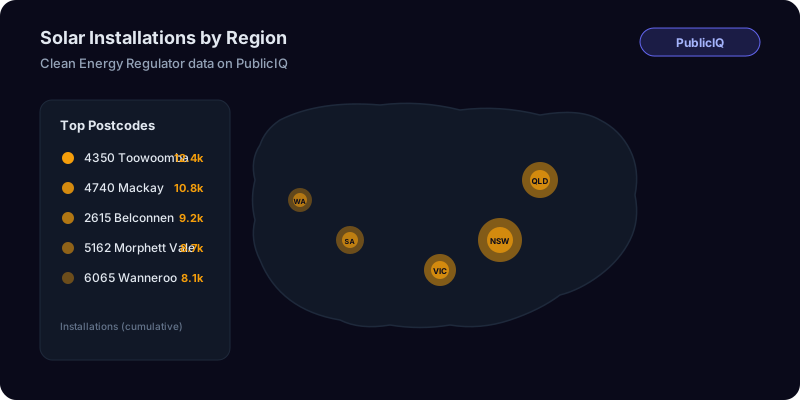
Queensland consistently leads in total installations, driven by high solar irradiance, a large population of detached housing, and historically generous state incentives. South Australia has the highest penetration rate relative to population, with some suburbs approaching 50% of detached dwellings having solar.
Adoption accelerated sharply from 2020 onwards
While the STC scheme has been running since 2011, the combination of falling panel prices, rising electricity costs, and battery storage options drove a major acceleration in installations from 2020 through to 2025.
Why suburb-level data matters
State or national averages hide enormous local variation. Looking at postcode-level data reveals:
- Which communities are underserved — Low adoption in areas with high solar potential may indicate barriers (rental properties, low income, lack of information) that targeted programs could address.
- Infrastructure planning — Distribution networks need to know where rooftop solar is concentrated to manage grid stability and plan upgrades. A suburb with 40% solar penetration has very different daytime load profiles than one with 5%.
- Market opportunities — Solar installers, battery companies, and energy retailers can identify postcodes with high potential but low current adoption.
- Policy evaluation — Did a state rebate program actually change installation rates in the target areas? Postcode-level before/after analysis can answer this.
How to explore the data
The CER publishes raw data extracts, but they're large files (millions of rows) in formats that require data processing tools to work with. You need to aggregate by postcode, match to geographic boundaries, and often cross-reference with Census data (housing type, income) to draw meaningful conclusions.
SuburbIQ includes Clean Energy Regulator solar installation data at the postcode level, alongside Census demographics and other datasets. You can search any area and see solar adoption numbers in context — alongside housing types, income levels, and other indicators that help explain the patterns.
This makes it straightforward to answer questions like:
- How many solar installations are in my postcode?
- How does my area compare to neighbouring suburbs?
- What's the average system size being installed locally?
- Is there a relationship between income levels and solar uptake in a particular region?
Key takeaways
- The CER dataset is the gold standard for Australian rooftop solar data — every STC-claiming installation is recorded
- Regional areas often lead metro areas in adoption, driven by housing type and energy consumption patterns
- Suburb-level variation is enormous — national averages hide the real picture
- Combining solar data with demographics (housing type, income, dwelling structure) explains adoption patterns
- SuburbIQ makes it searchable — explore solar installations alongside Census and other public data without processing raw files